
Why radiology remains a strong career choice
Radiology sits at the centre of almost every clinical pathway. From the emergency department to the cancer multidisciplinary meeting, decisions depend on accurate imaging and a clear, confident report.
That centrality is exactly what makes the specialty rewarding: you see the whole patient journey, you work closely with every team in the hospital, and your opinion changes management every single day.
Build a structured learning plan
The strongest candidates do not simply read more cases. They read cases in a structured way, review their own errors, and revisit the same topic until the search pattern becomes automatic.
A weekly plan that combines one anatomy session, one modality session and one case-review session covers more ground than an unstructured pile of textbooks.
- Choose one search pattern per system and apply it to every case.
- Keep an error log: write down every missed finding and the reason you missed it.
- Present at least one case per week to a colleague or in a local meeting.
- Use timed mock exams to practise reporting under pressure.
The FRCR pathway in practice
The FRCR examinations reward breadth and consistency. The physics and anatomy papers require recall, but the oral and reporting components reward a calm, systematic approach and the ability to communicate uncertainty clearly.
Working through long cases with a mentor is the fastest way to improve. Feedback on your phrasing, your differential and your recommendations is worth more than another hour of silent reading.
Looking ahead
Artificial intelligence will change how images are triaged and prioritised, but it will not replace the radiologist who integrates imaging with the clinical story. The skill to develop now is judgement: knowing what matters, what can wait, and what must be communicated urgently.
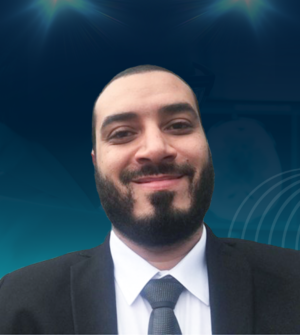
Dr. Mohamed Morsi is a highly respected Radiology Specialist, educator, and mentor with extensive experience in diagnostic imaging and radiological sciences. Throughout his professional career, he has dedicated himself to advancing medical imaging practices while helping healthcare professionals develop their clinical and diagnostic skills.
Post a Comment